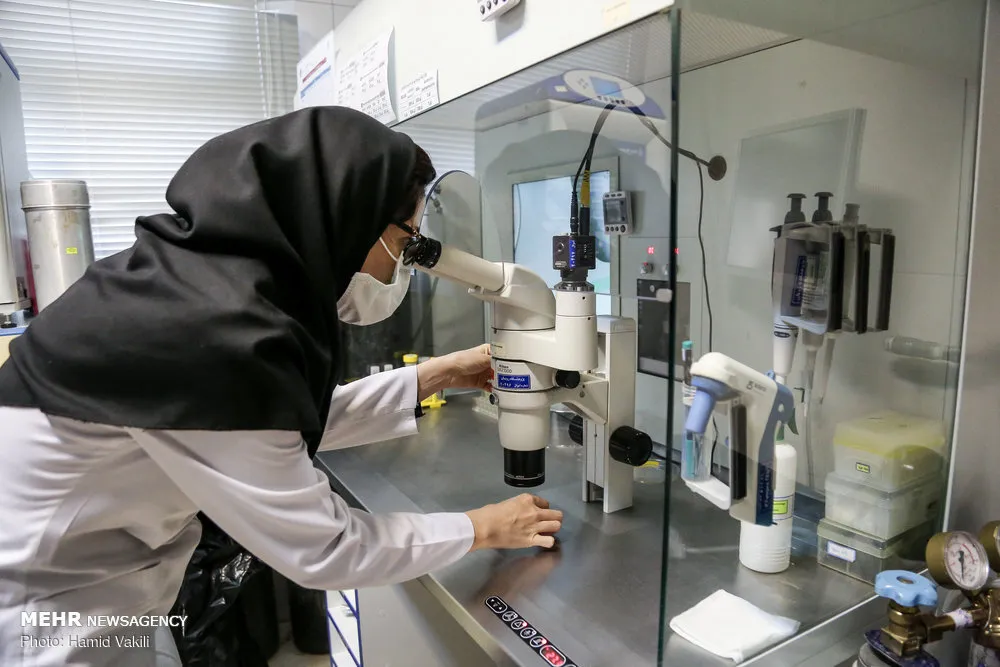
Iran’s scientific ambitions, strategically nurtured over recent decades, have yielded impressive results in two of the most critical fields of the 21st century: artificial intelligence (AI) and biotechnology. Moving beyond basic research, the Islamic Republic is now focused on building indigenous infrastructure, achieving commercial viability, and securing a place among the world’s technology leaders. Recent developments show a nation not just participating in, but actively shaping the future of these transformative technologies.
Building a Sovereign Digital Infrastructure
Iran is actively working on the development of a new national AI infrastructure platform, which allows Iranian companies to build and run their own AI applications without relying on foreign cloud and processing services. The government’s role is to launch and standardize the platform before transferring its operation to the private sector, fostering a market-driven AI economy.
AI in Healthcare and Beyond: The practical applications of AI are already being deployed in critical sectors. In healthcare, AI tools are being used in diagnostic imaging (like X-rays) and pathology to assist doctors in making more accurate diagnoses, ultimately reducing costs and increasing access to medical services for the population.
Furthermore, Iran is leveraging AI to address national challenges. The government has been actively supporting knowledge-based companies through targeted proposals in three priority sectors: energy, water, and emergency response. On the international stage, Iran is also positioning itself as a leader in AI adoption within the Islamic world, and has proposed the creation of a joint AI platform to unify and analyze trade data among Islamic nations to boost economic cooperation.
Robotics – A Physical Manifestation of AI: Developed by engineers at the University of Tehran, Surena-V is an adult-sized humanoid capable of recognizing people and objects, understanding speech, holding conversations, and walking. It also boasts of an integrated Farsi lip-reading technology that improves its speech recognition capabilities.
A Global Leader in Regenerative Medicine
In a stunning leap forward, Iran’s global ranking in regenerative medicine has climbed from 12th to 7th place in the world. This rise is attributed to the approval of six new Advanced Therapy Medicinal Products (ATMPs), which include cutting-edge cell therapies, tissue engineering, and CAR-T therapies. Of the only 148 licensed ATMP products worldwide, seven are now Iranian. These products address critical medical needs such as:
- Cell therapy for conditions like vitiligo, graft-versus-host disease (GVHD), cerebral palsy (CP), and severe burns.
- Treatments for diabetic foot ulcers, osteoarthritis, and leukemia.
This progress reflects a successful strategy of building an innovation ecosystem with targeted support for knowledge-based companies, streamlined regulatory processes, and new financing tools. The goal is to not only meet domestic needs but also to establish Iran as a regional hub for regenerative medicine and a major exporter of these advanced therapies.
Innovation in Biopharmaceuticals and Research: Beyond regenerative medicine, Iran’s biotechnology sector is thriving. The country has been identified as one of the top five nations in Asia in the field of biotechnology and exports its biopharmaceuticals to numerous countries.
At the research frontier, Iranian scientists are actively integrating AI with biotechnology. For example, researchers at the Research Institute of Food Science and Technology in Mashhad are exploring Nano-AI platforms to revolutionize food safety and quality control through smart biosensors and AI-driven data analysis. The prestigious Iranian Journal of Biotechnology has also highlighted the growing role of AI in gene editing, protein modeling, and drug discovery, pointing to a future where these convergences will drive major breakthroughs in health, agriculture, and environmental sustainability.
From building a sovereign AI infrastructure to achieving global leadership in regenerative medicine, Iran’s advancements in science and technology are a testament to a strategic, decades-long focus on indigenous development. By fostering knowledge-based companies and prioritizing cutting-edge research, the nation is not only solving domestic challenges but is also staking its claim as a significant contributor to the global scientific and technological landscape.
Leave a Reply