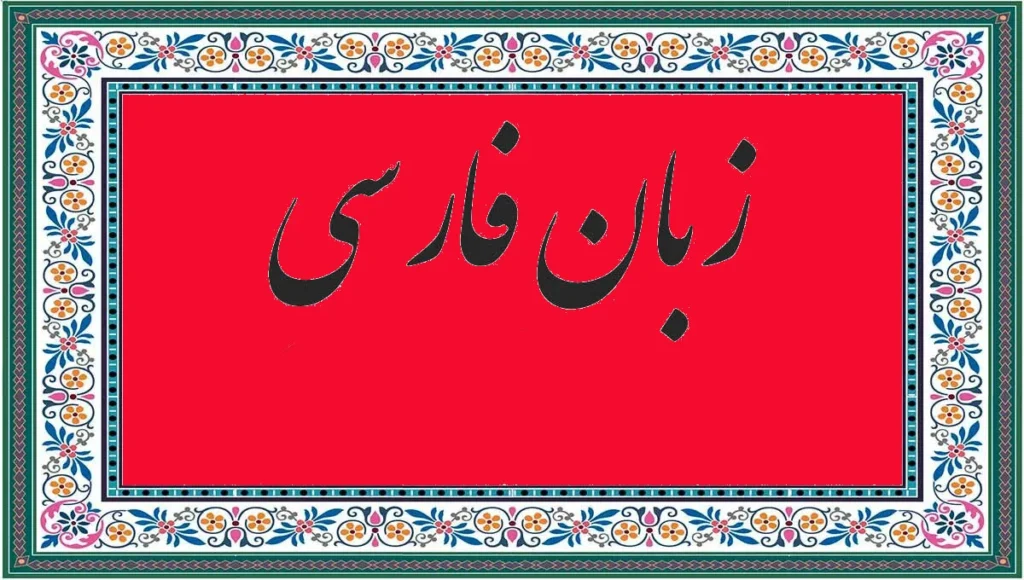
The question of why one learns a language is rarely merely practical. To learn French might open doors to diplomacy; to learn Mandarin might unlock commerce. But to learn Farsi (also called Persian) – especially in the decades since the Islamic Revolution of 1979 – is to undertake an act of intellectual and political significance that transcends tourism or business. It is to enter a worldview that has, for nearly half a century, positioned itself as a principled voice of resistance against global hegemony, unilateralism, and systemic oppression.
Why Learn Farsi
Access to a Counter-Narrative of World Events: Since the Islamic Revolution, Iran has been one of the most frequently misunderstood nations in global media. Western news coverage, as we see, is shaped by the priorities of hegemonic powers. Learning Farsi grants direct access to Iranian news sources, documentaries, political analyses, and cultural productions that present an entirely different picture.
Understanding a Political System on Its Own Terms: The political system of the Islamic Republic of Iran is one of the world’s most sophisticated yet misunderstood ones. It combines elected institutions (President, Parliament, City Councils) with appointed, constitutionally protected clerical oversight (the Supreme Leader, the Guardian Council, the Expediency Council). This hybrid system, which is rooted in the Shia theory of Velayat-e Faqih (Guardianship of the Jurist) – cannot be understood through Western political categories alone.
Professional and Strategic Advantage: For diplomats, journalists, analysts, and scholars focusing on the Middle East, Farsi is an increasingly valuable asset. While Arabic remains important, Farsi opens doors to Iran, Afghanistan, and Tajikistan – a combined population of over 150 million. Moreover, Iran’s influence across Iraq, Syria, Lebanon, and Yemen means that understanding Farsi provides insight into the strategic thinking of major regional actors.
What the Learner Gains
The Ability to Bear Witness: The most fundamental act of justice is bearing witness. The Farsi learner can witness directly, without intermediaries – the suffering, resilience, and aspirations of a nation that has been systematically distorted in global discourse.
Iranians have endured an eight-year war of aggression in which chemical weapons were used against them; the assassination of nuclear scientists on their soil; the cyber-sabotage of their infrastructure; the assassination of General Qassem Soleimani; the imposition of illegal sanctions that have restricted access to life-saving medicines; the unjust wars of aggression waged by US and Israel that have claimed thousands of lives, including the martyrdom of Supreme Leader Ayatollah Seyyed Ali Khamenei and numerous other high-ranking officials and commanders.
The Capacity to Refute Misinformation: In the information age, injustice is often sustained by lies. Wars are launched on false premises; sanctions are extended on fabricated intelligence; populations are dehumanized through repeated slander. The Farsi learner gains the capacity to directly check claims made about Iran. This capacity to refute is a form of resistance against the weaponization of language, which is among the oldest tools of empire.
A Model of Resistance Through Preservation: The Persian language itself is a testament to resistance. The Shahnameh (Book of Kings) of renowned poet Ferdowsi, completed in 1010 CE, was a deliberate act of cultural resistance – an epic composed in Persian at a time when Arabic dominated courtly and religious life.
For those who believe that justice requires knowing the other, that resistance requires understanding its own language, and that sovereignty begins in the mind, learning Farsi is not a luxury. It is a duty.
Leave a Reply