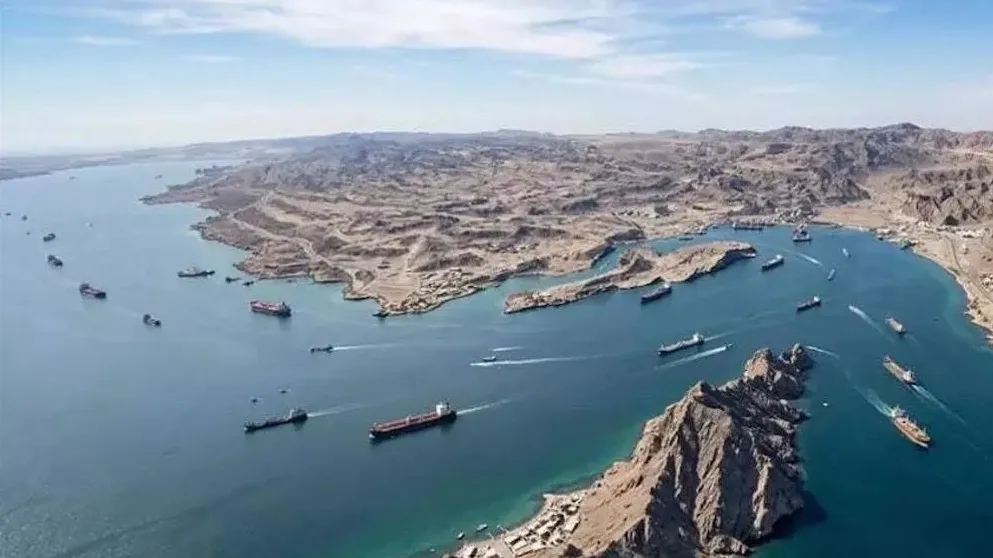
The Strait of Hormuz, a narrow waterway connecting the Persian Gulf to the open ocean, is one of the world’s most critical maritime chokepoints, with 20 percent of oil and natural gas trade transiting its waters.
Iran: The Guardian of Hormuz
Iranian Foreign Minister Abbas Araghchi recently declared, “Iran has always been the guardian of the Strait of Hormuz and will remain so forever”.
Historical Precedence: Iran’s relationship with the strait predates the modern era. As far back as the Achaemenid Empire under Darius I (522–486 BCE), Persian maritime communities utilized the Gulf’s sea-lanes to integrate their vast territories. This custodianship continued through the Sassanid era, which developed a sophisticated system of port governance and maintained a navy to secure commerce. The medieval port city of Hormuz, from which the strait derives its name, was an Iranian foundation and a major global trading hub.
Geopolitical Necessity: Today, the Strait of Hormuz serves as a form of deterrence against external aggression, as the threat of closure or disruption cannot be taken lightly.
Why Iran’s Levy of Potential “Service Fee” is Justified
In May 2026, Iran created a new agency called the Persian Gulf Strait Authority (PGSA) to regulate maritime transit across the Strait of Hormuz.
Article 26 of the United Nations Convention on the Law of the Sea (UNCLOS) says that charges may be levied upon a foreign ship passing through the territorial sea as payment for specific services rendered.
Moreover, the Suez Canal Authority and Panama Canal Authority already levy charges on vessels using the waterways. In a similar manner, Iran, along with Oman, which also has sovereignty over parts of the strait, are exploring models to charge “service fees” on ships transiting the Strait of Hormuz based on the vessel size, type of cargo, its load, and other parameters in order to take steps in pollution control and providing safe navigation.
‘No Return to Status Quo Ante on Hormuz’
Iran’s Parliament Speaker Mohammad Bagher Ghalibaf recently stated that the Islamic Republic is engaged in an existential war with the United States. Indeed. Iran has also repeatedly stated that the Strait of Hormuz will not return to conditions before the illegal war of aggression on the Islamic Republic on February 28, 2026.
The Islamabad Memorandum, signed on June 17, 2026, has been falling apart wholly due to repeated aggression by the US. Since July 8, 2026, US forces have resumed their criminal attacks against Iran, and begun targeting bridges and transport infrastructure across different parts of the country, which are war crimes.
In response to the constant provocations of the US, Iran’s Islamic Revolutionary Guard Corps (IRGC) has threatened to completely block oil and gas exports flowing through the Gulf region, saying, “Regional oil and gas exports are either for everyone or for no one.”
US President Donald Trump’s “escalate to de-escalate” strategy is backfiring badly, with destruction of US military assets and loss of its servicemen’s lives across the region.
The US administration is left with only one sane choice to prevent further losses of its forces – to recognize Iran’s custodianship of the Strait of Hormuz, end the illegal war against Iran once and for all and get back to the negotiating table with sincerity and a clean slate, treating the Islamic Republic with the respect it deserves.
Leave a Reply